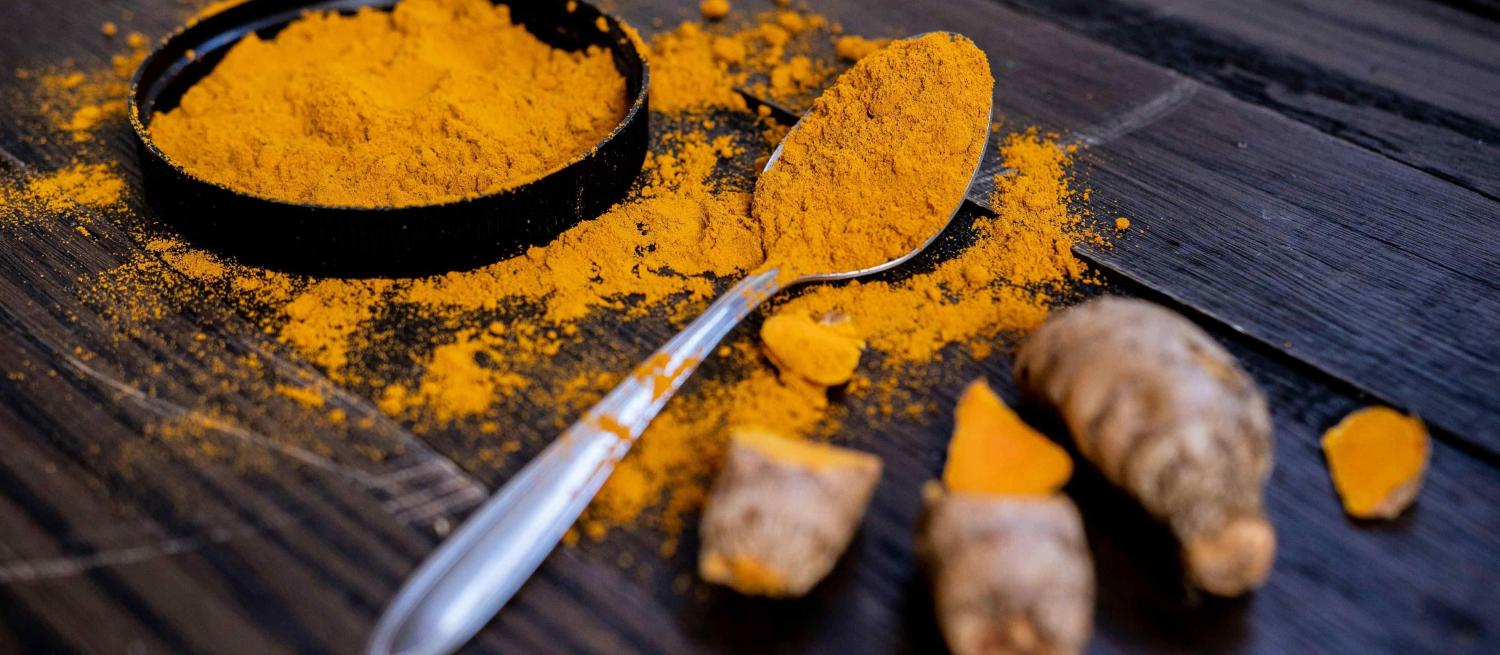
At the Community History Day in February, Geeta Nanavati shared some beautiful thoughts, using turmeric to explore themes of migration, assimilation and heritage. You can watch the recording and read Geeta's writing below.
Indians in St Albans and Great Britain - a story of Assimilation
South Asians are a proud element of a community consisting of the Commonwealth; Indians in particular have made major contributions to society in terms of medicine, business, social and health care and in Education and the Arts.
I wanted to use the turmeric root as an analogy of Indians here; this humble root is not much to look at but serves an immense purpose; it is used in producing medication to treat joint pain, digestive issues and skin conditions. Similarly, Indians are a major percentage of professionals in the healthcare industry and the NHS.
Turmeric is used for flavour and natural colour in food preparation, making Indian cooking so popular in the UK. Its fame has spread far and wide, turmeric is now used in cuisines as far flung as Morocco and The Caribbean, Turmeric adds a certain vibrancy that makes food appetising. The same vibrancy is brought by Indians with our colourful customs like Holi and reflected in our colourful and vibrant textiles.
Assimilation plays a vital part in our upbringing, with parents encouraging children to learn about different cultures and adopting the local culture. Blending in and mixing with different cultures has changed our demographic in recent years; my own Indian family includes people from Scotland, Nigeria, Sri Lanka, France and Spain; similarly, turmeric adds a hint of flavour without overpowering a dish.
I am a proud St Albanian Indian and am proud to call St Albans and Great Britain my home. The people and the communities here make it a truly unique place to live.
Thank you for listening to my talk today, I truly appreciate the platform that St Albans Generations project has provided me.
Geeta Nanavati