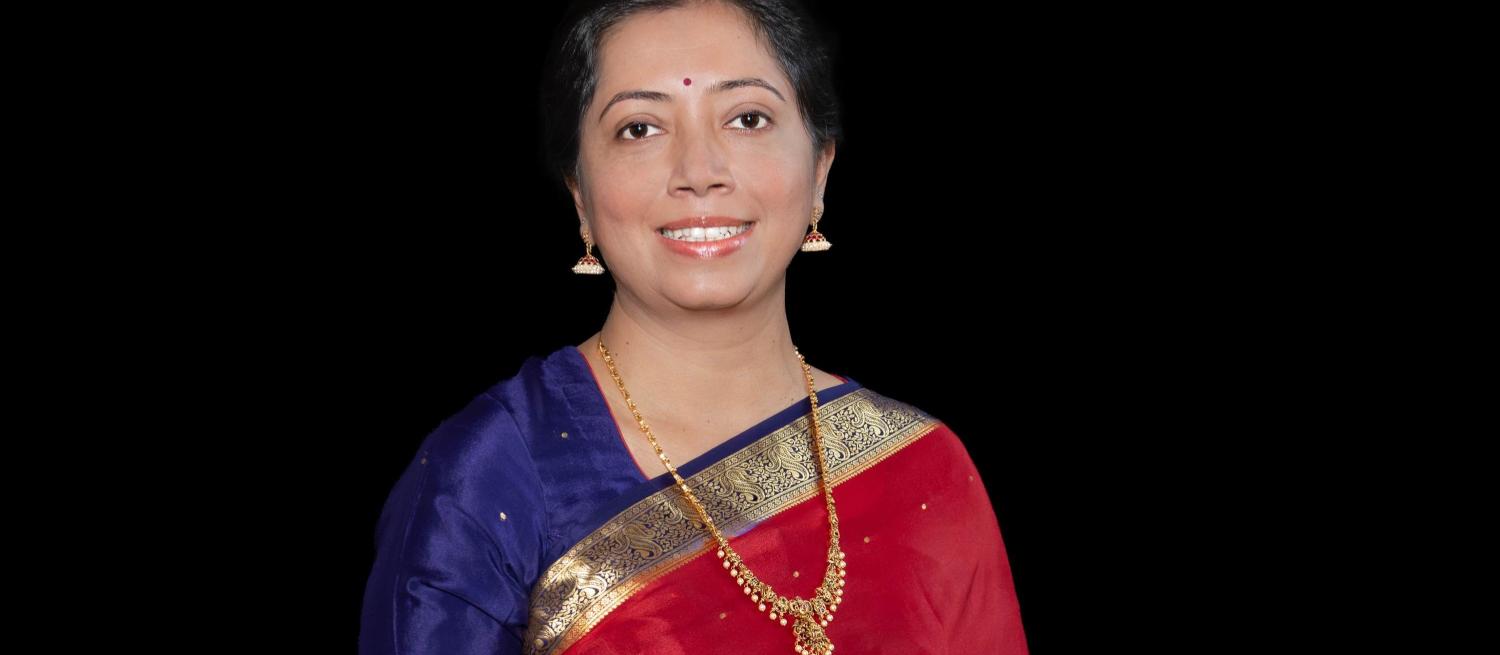
Ramya Rajgopal is a St Albans resident and the founder of local clothing business Mannjaree. For our Accessories: Wearing Your Story exhibition, she shared stories of her personal jewellery and clothing that connect her with her family history, and in this new blog post she expands beautifully on how the act of sharing her Indian cultural heritage in St Albans, instils a feeling of belonging and of home here.
Living in St Albans, a predominantly English town, with a strong sense of history, and whose people pride in preserving its heritage, it is especially meaningful to see that interest extend to the traditions and personal stories of people from different backgrounds.
I feel that my Indian heritage is part of the life I am building here. Wearing a saree and traditional jewellery, such as my Lakshmi Temple Necklace, connects me to family, to the women who have carried these traditions through generations, and to the stories and beliefs woven into them.
Through music, festivals and community gatherings, I find ways to share that heritage and pass it on to my children. St Albans is our home, and sharing these traditions with friends and neighbours deepens my sense of belonging. They connect me to my roots while becoming part of our family’s story here.

Photo credit: Learn Digital Photo
Family Heirloom: The Lakshmi Temple Necklace
Originating in the 9th-century Chola dynasty of South India, Temple Jewellery was first created to adorn the deities in South Indian temples before becoming treasured heirlooms for royal families and later generations. At a time when such extraordinary metalwork and intricate craftsmanship were virtually unmatched anywhere else in the world, Chola artisans perfected techniques that continue to inspire jewellery makers across India today. This Lakshmi Temple Necklace features Goddess Lakshmi, symbolising wealth and prosperity, surrounded by traditional temple-inspired motifs, vibrant Kemp stones, and pearls. Crafted in timeless Nakshi workmanship and worn for weddings, festivals, and sacred occasions, it is more than jewellery—it is a symbol of heritage, devotion, and a family legacy passed down through generations.
About the Saree: Mysore Silk Crepe with Real Gold Zari
Woven in the royal city of Mysore, Karnataka, in South India, this luxurious Mysore Silk Crepe saree reflects a centuries-old weaving tradition patronised by the Wodeyar Maharajas. Crafted from the finest silk and adorned with real gold zari, it is celebrated for its graceful drape, feather light weight, understated elegance, and enduring royal heritage.