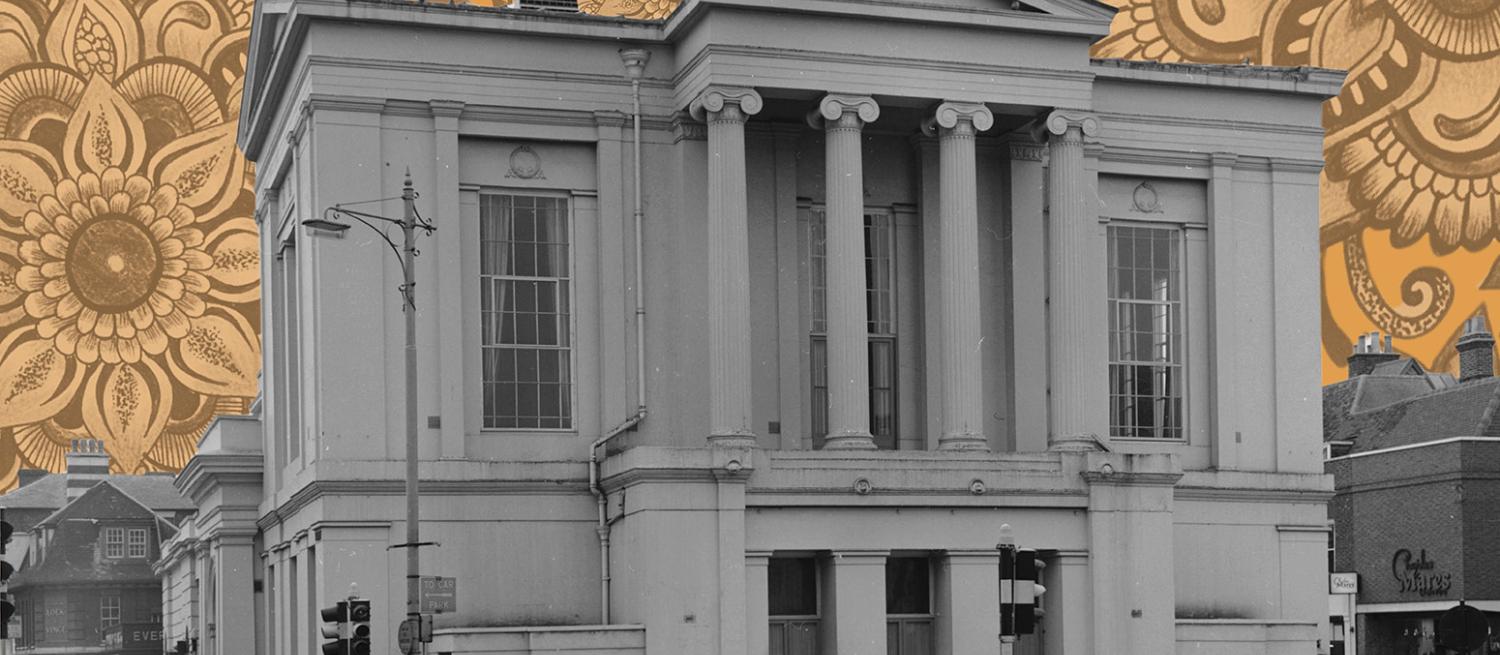
From post-War factories to local politics and everything in between, South Asian communities and individuals have helped shaped St Albans.
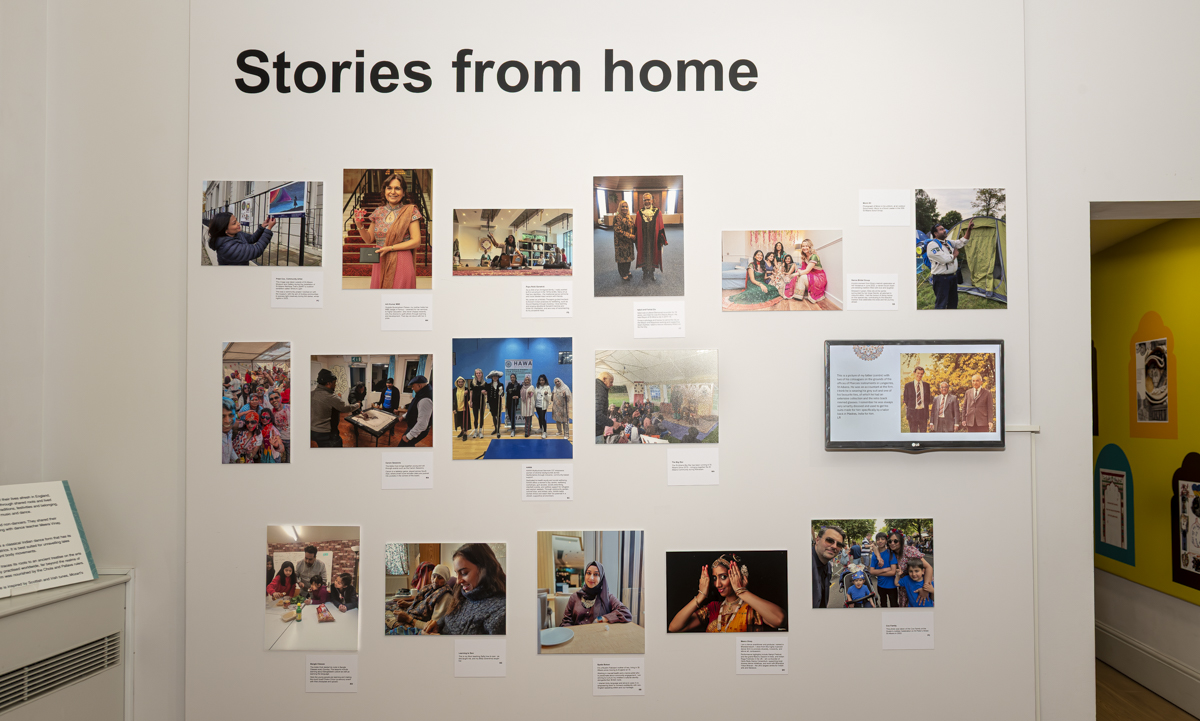
The co-curated Generations exhibition showcased local stories and experiences across generations using objects and photographs from personal collections, along with creative storytelling. We have changed some of the contents of the exhibition into an online format in order to continue to showcase these important stories, and preserve the hard work of the communities that contributed to it.
Stories from South Asian St Albans – What did you bring with you?
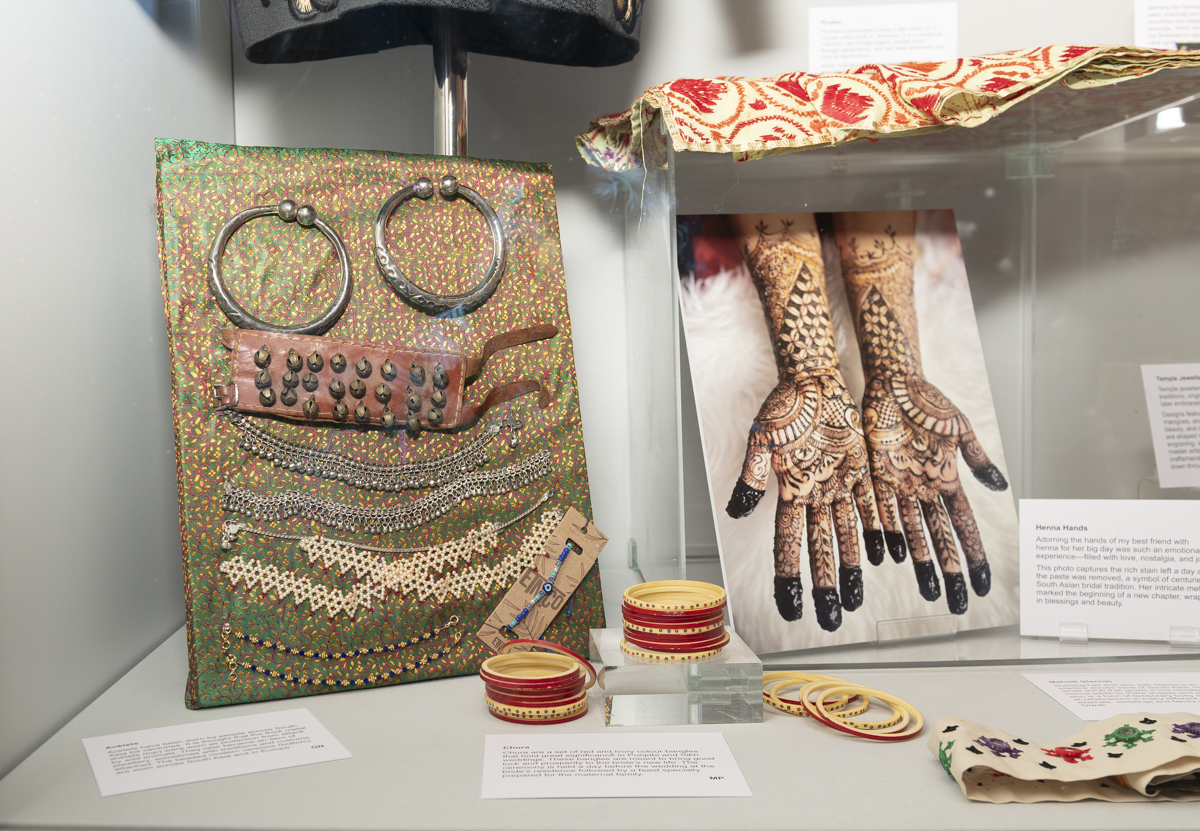
Our display case showed a broad range of items that were brought by those who have migrated to the UK from South Asia over the past 50 years or more. Each object comes from a personal collection. Each has a story attached and the travellers or their descendants have shared those stories with us.
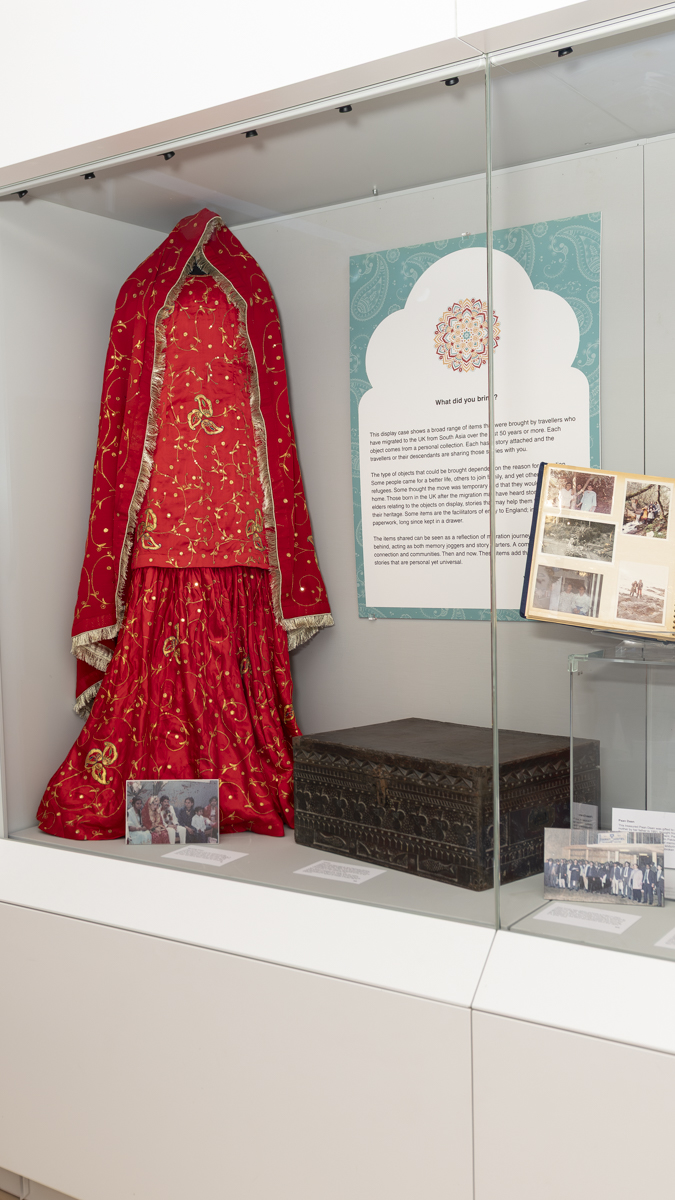
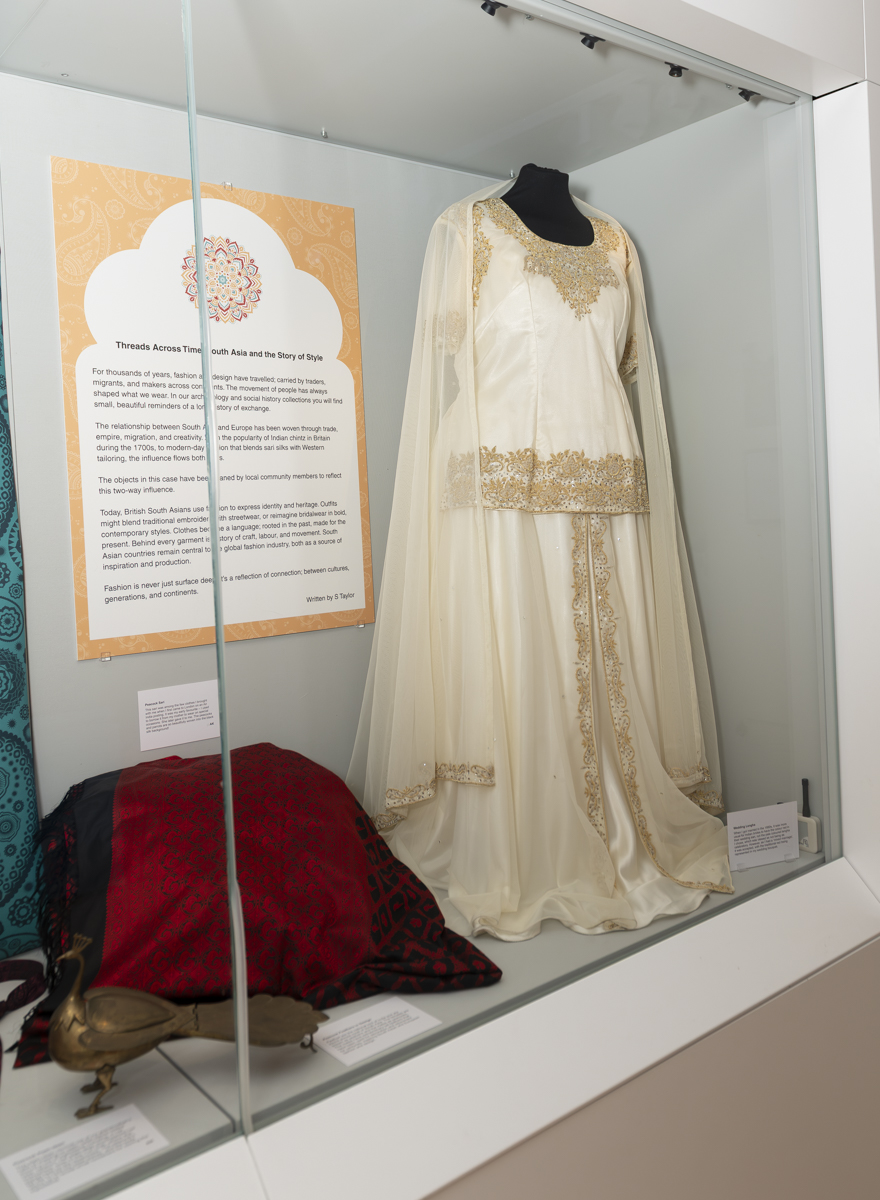
Wedding Dress (above)
I was excited. I put it in the suitcase nicely packed, but I hadn’t seen it. I got on the plane, it was my first journey here, we had been engaged but hadn’t seen each other for five years. I was doing a law degree in Pakistan, and I needed to finish my education before we got married. This was 1982, now we’ve been married for 43 years!
Iqbal Zia
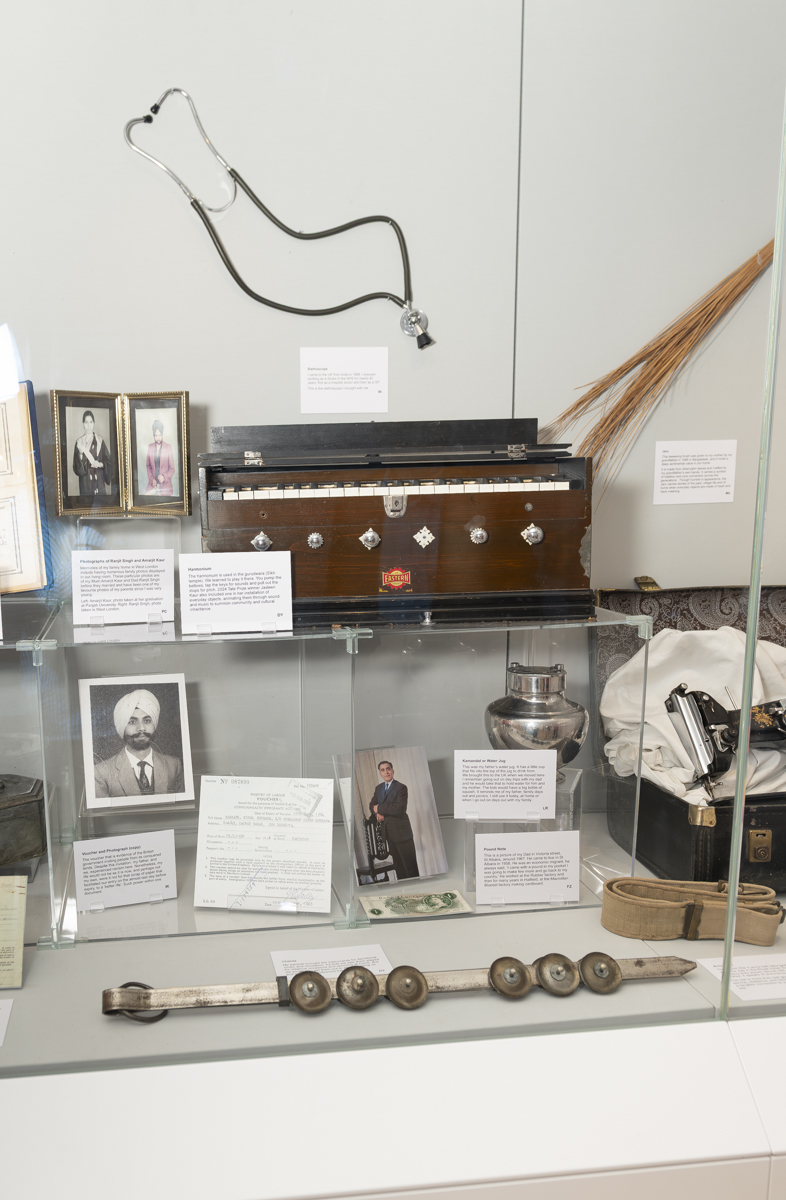
Pound Note
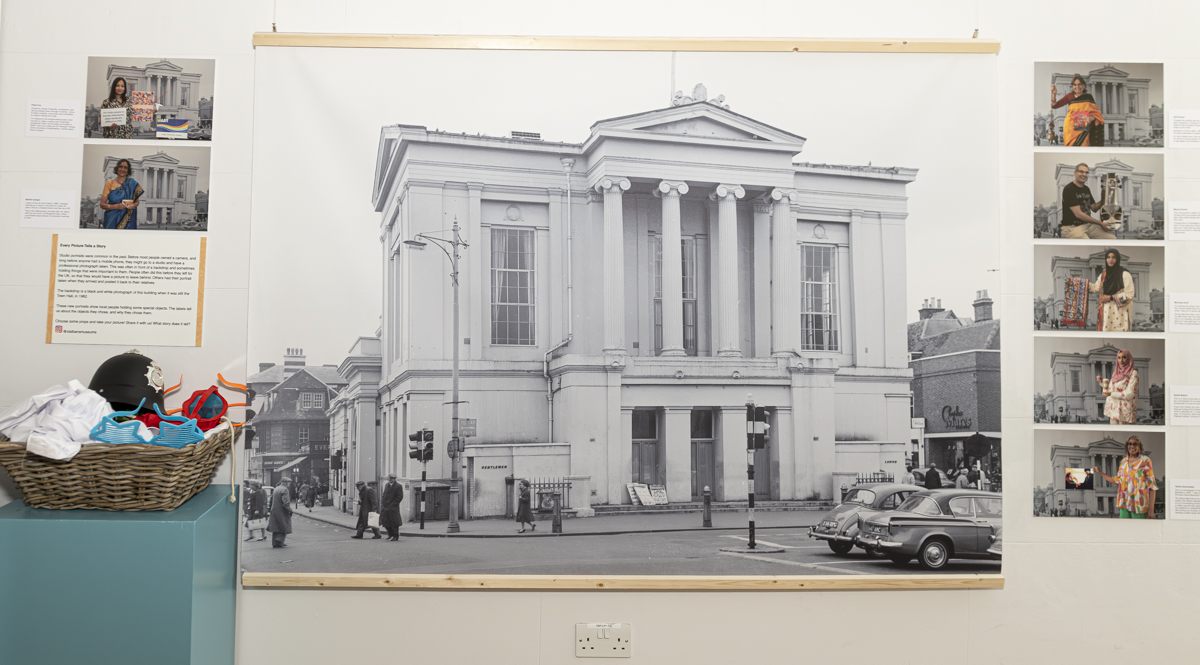
This is a picture of my Dad in Victoria street, St Albans, around 1967. He came to live in St Albans in 1958. He was an economic migrant, he always said, ‘I came with a pound in my pocket I was going to make few more and go back to my country.’ He worked at the Rubber factory and then for many years in Hatfield, at the Macmillan Bloedel factory making cardboard.
Farhat Zia
Voucher and accompanying photograph (copy)
The voucher that is evidence of the British government inviting people from its conquered lands. Despite this invitation, my father, and we, experienced racism here. Nonetheless, my life would not be as it is now, and perhaps not my own, were it not for that scrap of paper that facilitated our entry on the almost-last day before expiry, to a ‘better life’. Such power within one document.
Indu Khurana
Harmonium and Chimta
My parents brought them for devotional music and recreation. As kids we saw them played for religious occasions and sermons at home. But we would also get them out to play, dressing up and dancing to Bollywood tracks or films!
The harmonium is used in the gurudwara (Sikh temple). We learned to play it there. You pump the bellows, tap the keys for sounds and pull out the stops for pitch.
DY
Kamandal or Water Jug
This was my father’s water jug. It has a little cup that fits into the top of the jug to drink from.
We brought this to the UK when we moved here. I remember going out on day trips with my dad and he would take that to hold water for him and my mother. The kids would have a big bottle of squash. It reminds me of my father, family days out and picnics. I still use it today, at home or when I go out on days out with my family.
LR